
Choosing to straighten your teeth is a major decision — one that can transform not only your smile, but also your oral health and confidence. Thanks to modern orthodontics, patients today have more options than ever before. The two most popular treatments are traditional braces and clear aligners. But how do you know which one is right for you?
In this detailed guide, we’ll explore how both treatments work, their advantages and disadvantages, cost considerations, lifestyle impact, treatment duration, and who makes the ideal candidate for each option.
Understanding the Basics: How Each Treatment Works
Traditional Braces
Traditional braces use metal or ceramic brackets that are bonded to the teeth and connected with a wire. The wire is periodically adjusted by an orthodontist to gradually move the teeth into proper alignment.
Modern braces are smaller, more comfortable, and more discreet than those used decades ago. Options include:
- Metal braces (the most common and durable)
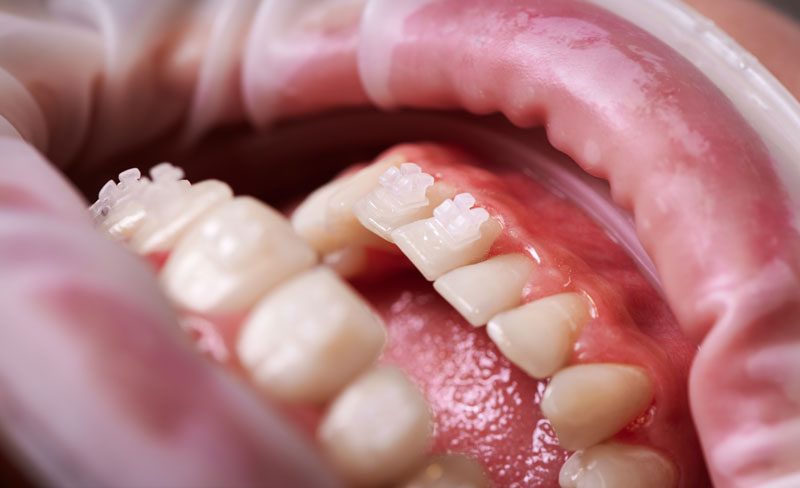
- Ceramic braces (tooth-colored and less noticeable)
- Lingual braces (placed behind the teeth)
Braces apply continuous pressure to shift teeth over time and are highly effective for correcting even complex orthodontic issues.
Clear Aligners
Clear aligners are transparent, removable trays custom-made to fit your teeth. Patients wear a series of aligners, each designed to make small adjustments to tooth positioning. The trays are typically changed every one to two weeks.
One of the most recognized systems is Invisalign, though other brands also offer similar solutions. Aligners are made from medical-grade plastic and are nearly invisible when worn.
Unlike braces, aligners can be removed for eating, brushing, and special occasions — but they must be worn 20–22 hours per day for effective results.
Effectiveness: Which Option Works Better?
The effectiveness of braces vs. aligners depends largely on the complexity of your case.
Braces Excel at Treating:
- Severe crowding
- Large gaps
- Significant bite issues (overbite, underbite, crossbite)
- Rotated or impacted teeth
- Complex jaw misalignment
Because braces are fixed to the teeth and constantly applying pressure, they are often the preferred choice for more advanced orthodontic corrections.
Clear Aligners Are Ideal For:
- Mild to moderate crowding
- Small gaps
- Minor bite irregularities
- Relapse after previous orthodontic treatment
Advancements in aligner technology have expanded their capabilities, but very complex cases may still require traditional braces.
Aesthetic Considerations
One of the biggest reasons patients choose clear aligners is appearance.
Clear aligners are nearly invisible, making them especially popular among adults and professionals who prefer a discreet treatment option. In social and business settings, they are often barely noticeable.
Traditional metal braces, while effective, are more visible. However, ceramic braces offer a less noticeable alternative since they blend in with the natural tooth color.
For teenagers, metal braces can even be a fun expression of personality through colored elastic bands. For adults seeking minimal visibility, aligners often win in this category.
Comfort and Convenience
Braces
Braces can cause temporary discomfort after adjustments, and brackets may irritate the inside of the cheeks or lips. Food restrictions are also necessary — sticky, hard, or chewy foods can damage brackets and wires.
Oral hygiene requires extra effort, as brushing and flossing around brackets can be challenging.
Clear Aligners
Aligners are generally more comfortable because there are no wires or brackets. There may be mild pressure when switching to a new set of trays, but irritation is minimal.
They can be removed while eating, so there are no food restrictions. Brushing and flossing remain simple — just remove the trays.
However, success with aligners depends heavily on patient discipline. If you forget to wear them consistently, treatment may take longer or become less effective.
Treatment Duration
Treatment time varies depending on case complexity.
- Braces typically take 18–24 months.
- Clear aligners often range from 12–18 months for mild to moderate cases.
In complex cases, braces may achieve results faster because they provide continuous force without relying on patient compliance.
Your orthodontist will evaluate your specific situation and provide a personalized estimate.
Cost Comparison
Costs can vary depending on location, orthodontist experience, and treatment complexity.
In many cases:
- Traditional braces may be slightly less expensive.
- Clear aligners can be comparable or somewhat higher in cost.
Insurance coverage may apply to both options, especially for younger patients. Many clinics also offer payment plans to make treatment more accessible.
Maintenance and Responsibility
Braces require regular in-office adjustments, typically every 4–8 weeks. Because they are fixed in place, patients don’t have to worry about losing them.
Clear aligners require responsibility. Since they are removable, they can be misplaced or forgotten. Patients must also clean the trays regularly to prevent discoloration and odor.
For younger teenagers who may struggle with compliance, braces may be the safer choice.
Lifestyle Impact
Your daily routine plays a major role in choosing the right option.
If you:
- Frequently attend business meetings
- Speak publicly
- Play a wind instrument
- Want flexibility during meals
Clear aligners may be more convenient.
If you:
- Prefer a “set it and forget it” approach
- Don’t want to worry about wearing trays consistently
- Have a complex orthodontic issue
Braces may be more suitable.
Athletes in contact sports can use mouthguards with either treatment, though aligners are easily removable.
Oral Hygiene Considerations
Braces require meticulous cleaning to prevent plaque buildup around brackets. Special tools like interdental brushes and water flossers can help.
Aligners make hygiene simpler since they are removed during brushing. However, failing to clean aligners properly can lead to bacterial growth.
In both cases, maintaining excellent oral hygiene is essential to prevent cavities and gum issues during treatment.
Psychological and Confidence Factors
For some patients, visible braces can temporarily affect self-confidence. For others, especially teenagers, braces are a normal and widely accepted part of growing up.
Adults often prefer aligners because they feel more confident wearing a nearly invisible solution.
Ultimately, confidence comes from knowing you are investing in a healthier, straighter smile — regardless of the method.
Who Is the Ideal Candidate for Each?
Choose Braces If:
- You have complex alignment issues
- You want maximum effectiveness regardless of visibility
- You prefer not to worry about daily compliance
- You are a younger patient
Choose Clear Aligners If:
- You have mild to moderate alignment issues
- Aesthetics are very important to you
- You are disciplined about wearing trays
- You prefer fewer food restrictions
The Best Choice Is a Personalized One
There is no universal “better” option — only the option that best fits your dental needs, lifestyle, and personal preferences.
A professional orthodontic consultation is the most important step. An experienced specialist can assess your bite, tooth alignment, jaw structure, and long-term oral health goals to recommend the ideal treatment plan.
Both braces and clear aligners are highly effective solutions that can dramatically improve your smile and overall dental health. The key is choosing the approach that aligns with your needs, comfort level, and commitment.
In the end, whether you select traditional braces or clear aligners, you’re making an investment in confidence, health, and a smile that can last a lifetime.