A healthy smile is more than just an aesthetic asset — it is a reflection of overall health, confidence, and quality of life. Preventive dental care plays a crucial role in protecting your teeth and gums, helping you avoid painful problems, costly treatments, and long-term oral health issues. By focusing on prevention rather than repair, you can maintain a strong, beautiful smile for years to come.
What Is Preventive Dental Care?
Preventive dental care refers to all the daily habits, professional treatments, and lifestyle choices designed to keep your mouth healthy and prevent dental problems before they start. Instead of waiting for cavities, gum disease, or tooth pain to appear, preventive care focuses on maintaining oral health consistently.
This approach includes regular brushing and flossing, routine dental check-ups, professional cleanings, fluoride treatments, dental sealants, and early detection of potential problems. When practiced correctly, preventive dental care significantly reduces the risk of tooth decay, gum disease, enamel erosion, and even tooth loss.
Why Prevention Matters More Than Treatment
Many people only visit the dentist when something hurts. Unfortunately, by the time pain appears, the problem is often advanced and requires more complex treatment. Cavities, gum disease, and infections can develop silently over time, causing damage long before noticeable symptoms appear.
Preventive care allows dental professionals to detect early warning signs and address them before they become serious. Small cavities can be treated easily, early gum inflammation can be reversed, and minor issues can be corrected before they lead to extensive procedures such as root canals, extractions, or implants.
Prevention also saves time and money. Routine dental visits and simple preventive treatments are far more affordable than advanced restorative procedures, making preventive care one of the smartest long-term investments in your health.
Top 10 Foods That Naturally Strengthen Teeth and Gums
Daily Habits That Protect Your Smile
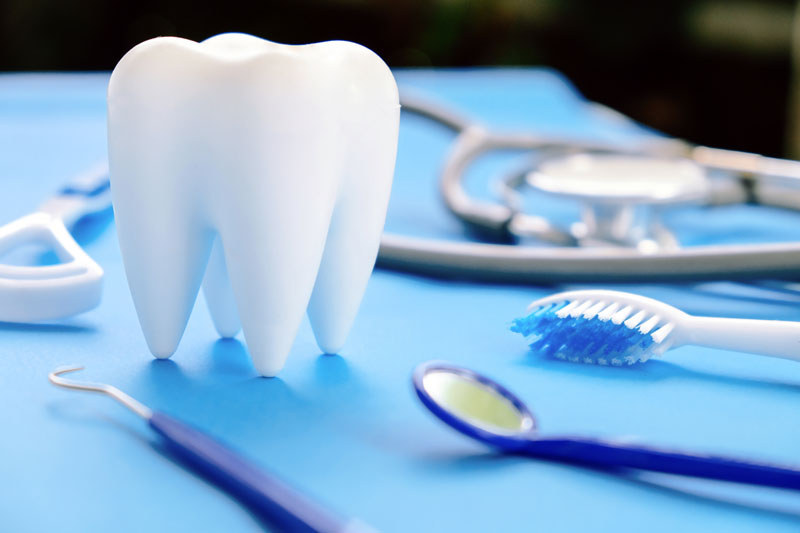
The foundation of preventive dental care starts at home. Daily oral hygiene habits play a major role in keeping your teeth and gums healthy.
Brushing your teeth at least twice a day with fluoride toothpaste helps remove plaque, bacteria, and food particles that cause cavities and gum disease. Using proper brushing techniques and a soft-bristled toothbrush prevents enamel damage and protects your gums.
Flossing once a day is equally important. It removes plaque and debris from areas your toothbrush cannot reach, especially between teeth and along the gumline. Regular flossing significantly reduces the risk of gum inflammation and decay between teeth.
In addition, using mouthwash can help reduce bacteria, strengthen enamel, and freshen breath. Drinking plenty of water throughout the day supports saliva production, which naturally cleans your mouth and neutralizes harmful acids.
The Role of Professional Dental Care
Even with excellent at-home hygiene, professional dental care remains essential. Dentists and dental hygienists are trained to detect problems that are invisible to the untrained eye.
Routine dental check-ups allow for early diagnosis of cavities, gum disease, enamel erosion, and oral infections. Professional cleanings remove hardened plaque (tartar) that cannot be removed with brushing alone. This prevents inflammation, bleeding gums, and periodontal disease.
Preventive treatments such as fluoride applications strengthen tooth enamel and make teeth more resistant to decay. Dental sealants, often used in children and teenagers, provide an extra layer of protection on the chewing surfaces of molars, where cavities are most likely to form.
Regular visits also allow dentists to monitor changes in your oral health, offer personalized advice, and recommend treatments tailored to your needs.
How to Properly Care for Your Teeth at Home: Expert Dentist Tips
Preventing Gum Disease: A Key to Overall Health
Gum disease is one of the most common oral health problems, yet it is largely preventable. In its early stage, gingivitis causes redness, swelling, and bleeding gums. If left untreated, it can progress to periodontitis, leading to gum recession, bone loss, and tooth loss.
Preventive dental care helps control plaque buildup, which is the main cause of gum disease. Early detection and proper treatment can stop the progression of gum disease and preserve the health of your gums and teeth.
Research has also shown a strong connection between oral health and overall health. Poor gum health has been linked to conditions such as heart disease, diabetes, and respiratory infections. Protecting your gums through preventive care supports your overall well-being.
Diet and Lifestyle Choices That Support Oral Health
What you eat and drink has a direct impact on your dental health. Sugary foods and acidic beverages contribute to tooth decay and enamel erosion. Limiting sugar intake and choosing tooth-friendly foods helps protect your smile.
A balanced diet rich in calcium, vitamins, and minerals strengthens teeth and bones. Foods like dairy products, leafy greens, nuts, and lean proteins support oral health. Crunchy fruits and vegetables stimulate saliva production and help clean teeth naturally.
Lifestyle habits such as smoking and excessive alcohol consumption increase the risk of gum disease, tooth discoloration, and oral cancer. Avoiding these habits is an important part of preventive dental care.
Preventive Care for Every Stage of Life
Preventive dental care is important at every age. Children benefit from early education, fluoride treatments, and sealants that protect developing teeth. Teenagers require monitoring for orthodontic issues and guidance on proper oral hygiene.
Adults need consistent care to prevent decay, gum disease, and enamel wear. Seniors may require additional attention to dry mouth, gum recession, and existing dental work. Regardless of age, preventive care adapts to meet changing needs.
A Lifelong Commitment to a Healthy Smile
Protecting your smile is not a one-time effort, it is a lifelong commitment. Preventive dental care empowers you to take control of your oral health, reduce risks, and enjoy a confident, healthy smile every day.
By combining good daily habits, regular dental visits, healthy lifestyle choices, and early intervention, you can prevent most dental problems before they start. A healthy smile enhances self-esteem, improves overall health, and contributes to a better quality of life.
Your smile deserves protection. Invest in preventive dental care today, and enjoy the benefits of strong teeth, healthy gums, and lasting oral health for years to come.