
Your teeth are designed to last a lifetime, but everyday wear, injuries, and dental issues can weaken them over time. When a tooth becomes damaged or compromised, one of the most effective solutions your dentist may recommend is a dental crown.
A dental crown is a custom-made “cap” that covers a damaged tooth, restoring its shape, strength, and appearance. While crowns are a common and reliable treatment, many people are unsure when they actually need one. Recognizing the early signs can help you act quickly, prevent further damage, and protect your oral health.
In this detailed guide, we’ll explore the key signs that you might need a dental crown and what steps you should take next.
What Is a Dental Crown and Why Is It Important?
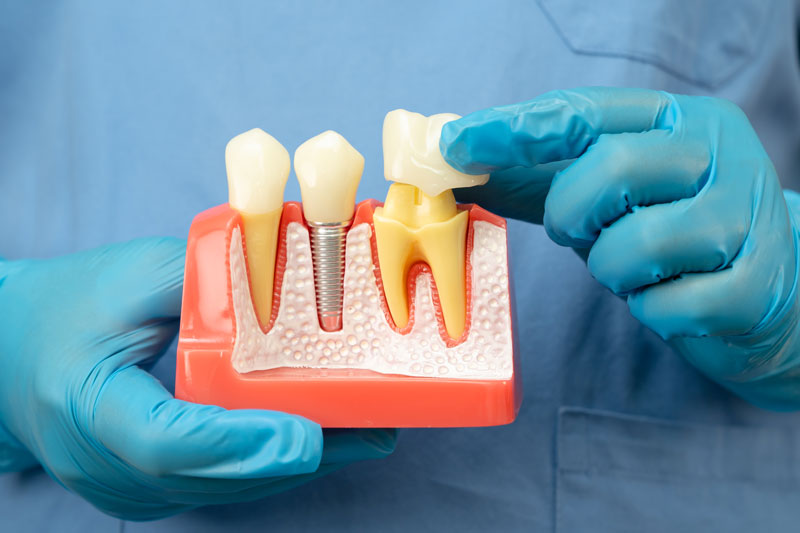
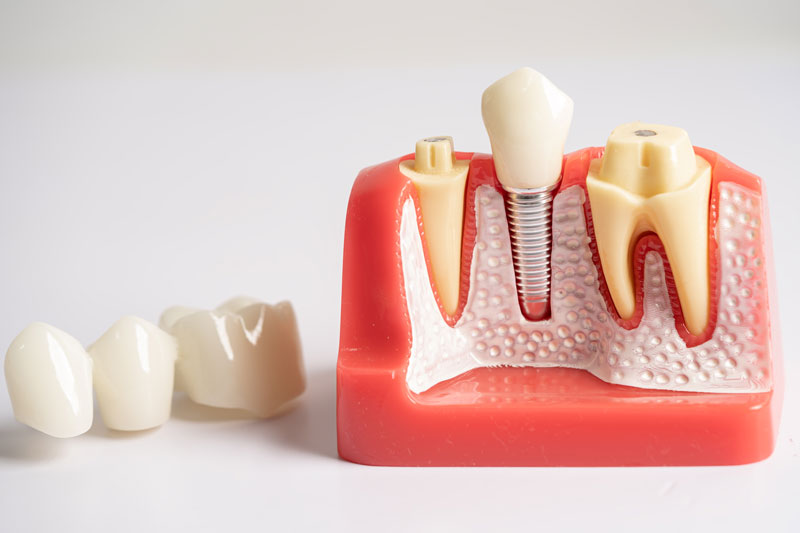
A dental crown is a protective restoration that completely encases a tooth above the gum line. It is typically made from materials such as porcelain, ceramic, metal, or a combination of these, depending on your needs.
Crowns are used to strengthen weakened teeth, restore broken or worn-down teeth, protect teeth after root canal treatment, and improve the appearance of discolored or misshapen teeth. In many cases, they are the best way to save a tooth that might otherwise need to be extracted.
Persistent Tooth Pain or Sensitivity
One of the first signs that you may need a dental crown is ongoing tooth pain or sensitivity. If you experience discomfort when chewing or sensitivity to hot and cold foods that doesn’t go away, it could indicate that your tooth is damaged or weakened.
In some cases, this sensitivity is caused by enamel erosion or a large filling that no longer provides enough protection. A crown can cover the tooth and provide a barrier against external stimuli, reducing discomfort and preventing further damage.
A Cracked or Fractured Tooth
Teeth can crack due to trauma, biting down on hard objects, or even long-term grinding. Sometimes these cracks are visible, but in other cases, they may be too small to see.
Even a minor crack can worsen over time, especially if left untreated. A dental crown helps hold the tooth together and prevents the crack from spreading. Without proper protection, a cracked tooth could eventually break completely, leading to more complex and costly treatment.
A Large Filling That Weakens the Tooth
Fillings are commonly used to repair cavities, but when a tooth has a very large filling, it may no longer have enough natural structure to remain strong. Over time, this can make the tooth more prone to fractures.
In such cases, a dental crown provides additional support by covering the entire tooth and redistributing the forces of chewing. This reduces the risk of further damage and extends the life of the tooth.
Severe Tooth Wear
Teeth naturally wear down over time, but excessive wear can be a sign of underlying issues such as teeth grinding (bruxism) or acid erosion.
If your teeth appear shorter, flatter, or uneven, it may indicate significant wear. Dental crowns can restore the original shape and function of your teeth, improving both your bite and your smile.
After Root Canal Treatment
A root canal procedure removes infected or damaged pulp from inside the tooth. While this treatment saves the tooth, it can also leave it more fragile and prone to breakage.
For this reason, dentists often recommend placing a crown on a tooth after a root canal. The crown provides strength and protection, ensuring the tooth can function normally without risk of fracture.
Discoloration or Cosmetic Concerns
In some cases, a dental crown may be recommended for cosmetic reasons. If a tooth is severely discolored, misshapen, or does not respond well to whitening treatments, a crown can improve its appearance.
Modern crowns are designed to match the color and shape of your natural teeth, making them an excellent option for enhancing your smile while maintaining a natural look.
Difficulty Chewing or Biting
If you notice discomfort or difficulty when chewing, it could be a sign that one or more of your teeth are compromised. Weak or damaged teeth may not be able to handle the pressure of everyday use.
A dental crown can restore the tooth’s strength and functionality, allowing you to eat comfortably and confidently again.
What to Do Next
If you recognize any of these signs, the next step is to schedule a visit with your dentist. Early evaluation is key to preventing further damage and ensuring the best possible outcome.
During your appointment, your dentist will examine your tooth, possibly take X-rays, and determine whether a crown is the right solution. If a crown is recommended, they will explain the procedure, materials, and timeline involved.
The Dental Crown Procedure
Getting a dental crown typically involves two visits. During the first visit, the dentist prepares the tooth by removing any damaged areas and shaping it to fit the crown. An impression or digital scan is then taken to create a custom crown.
A temporary crown may be placed while the permanent one is being made. At the second visit, the final crown is fitted, adjusted, and permanently bonded to your tooth.
The result is a strong, natural-looking restoration that can last for many years with proper care.
Braces vs. Clear Aligners: Which Option Is Right for You?
Caring for Your Dental Crown
Once you have a dental crown, maintaining good oral hygiene is essential. Brush and floss regularly, avoid biting on hard objects, and visit your dentist for regular checkups.
With proper care, a dental crown can last 10–15 years or even longer, making it a durable and worthwhile investment in your oral health.
A dental crown is more than just a cosmetic solution—it’s a protective measure that can save a damaged tooth and restore its function. Recognizing the signs early allows you to take action before the problem worsens.
If you’re experiencing pain, damage, or changes in your teeth, don’t ignore the warning signs. Consulting your dentist promptly can help you maintain a healthy, strong smile for years to come.
Your smile deserves care and attention—and sometimes, a dental crown is exactly what it needs to stay at its best.