
Losing a tooth is not only an aesthetic issue. While many people initially focus on the visible gap in their smile, missing teeth can affect oral health, confidence, speech, chewing ability, and even the overall structure of the face. Whether the tooth loss happens because of injury, gum disease, tooth decay, or aging, the impact often goes far beyond appearance. Modern dentistry has developed highly advanced solutions for replacing missing teeth, but among all available options, dental implants are considered one of the most reliable, durable, and natural-looking treatments.
Unlike temporary or removable alternatives, implants are designed to function like real teeth and provide a long-term solution that can last for decades with proper care.
Over the past two decades, dental implants have become one of the most popular restorative dental procedures worldwide because they offer stability, comfort, functionality, and aesthetics that closely resemble natural teeth.
What Are Dental Implants?
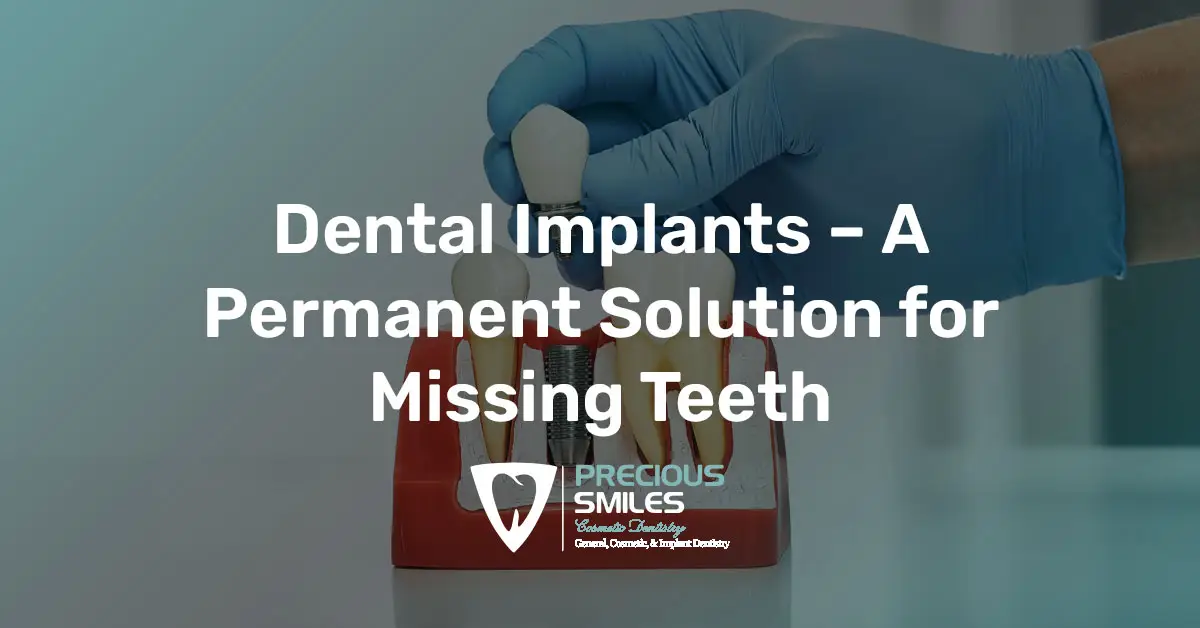
Dental implants are artificial tooth roots made from biocompatible materials, most commonly titanium. They are surgically placed into the jawbone where they integrate naturally with the bone through a process called osseointegration.
Once the implant fully fuses with the bone, it becomes a stable foundation for a dental crown, bridge, or denture. The result is a replacement tooth that looks, feels, and functions very similarly to a natural tooth.
A complete dental implant restoration typically consists of three main parts:
- The implant post placed inside the jawbone
- The abutment connecting the implant to the restoration
- The crown or prosthetic tooth visible above the gum line
Together, these components create a secure and highly functional tooth replacement system.
Common Causes of Crooked Teeth and How Orthodontics Can Help
Why Dental Implants Are Considered the Gold Standard
Many traditional tooth replacement methods rely on neighboring teeth or removable appliances. Dental implants are different because they replace both the root and the visible part of the missing tooth.
This creates several major advantages that make implants the preferred long-term solution for many patients.
One of the biggest benefits is stability. Unlike removable dentures that may shift while speaking or eating, implants remain securely fixed in place. Patients can eat comfortably, speak naturally, and smile confidently without worrying about movement or discomfort.
Another major advantage is jawbone preservation. When a tooth is lost, the jawbone in that area gradually begins to shrink because it no longer receives stimulation from the tooth root. Dental implants help preserve bone density by stimulating the jaw similarly to natural teeth.
Implants also provide excellent aesthetics. Modern implant crowns are custom-designed to match the color, shape, and appearance of surrounding teeth, creating a highly natural result.
Common Causes of Tooth Loss
Tooth loss can happen for many different reasons, and it affects people of all ages. Some of the most common causes include:
- Severe tooth decay
- Gum disease (periodontitis)
- Dental trauma or accidents
- Cracked or broken teeth beyond repair
- Congenital missing teeth
- Failed root canal treatments
- Bone loss due to aging
Regardless of the cause, replacing missing teeth quickly is important because untreated tooth loss can lead to additional oral health problems over time.
What Happens When Missing Teeth Are Not Replaced?
Many people delay treatment after losing a tooth, especially if the missing tooth is not immediately visible. However, untreated tooth loss can create serious long-term problems.
One of the most significant issues is bone loss. Without stimulation from a tooth root, the jawbone begins to deteriorate gradually. This can affect facial appearance and make future dental treatment more complicated.
Neighboring teeth may also begin shifting into the empty space, causing bite problems, uneven tooth wear, and difficulties with chewing.
Missing teeth can additionally impact speech, facial symmetry, and self-confidence. In some cases, patients avoid smiling or social interactions because they feel embarrassed about their appearance.
How Often Should You Visit the Dentist? A Preventive Care Timeline
Replacing missing teeth early helps preserve both oral health and overall quality of life.
The Dental Implant Procedure Step by Step
Initial Consultation and Evaluation
The process begins with a detailed dental examination, including X-rays or 3D scans to evaluate bone density and oral health. The dentist assesses whether the patient is a suitable candidate for implants and creates a personalized treatment plan.
Factors such as gum health, bone structure, medical history, and smoking habits are considered during this stage.
Implant Placement Surgery
During the procedure, the titanium implant is surgically inserted into the jawbone under local anesthesia. Modern implant surgery is highly precise and generally causes less discomfort than many patients expect.
After placement, the healing process begins as the implant gradually integrates with the surrounding bone.
Healing and Osseointegration
The healing period usually lasts several months. During this time, the implant fuses with the jawbone and becomes stable enough to support the final restoration.
Temporary restorations may sometimes be provided while healing occurs.
Placement of the Crown
Once healing is complete, the dentist attaches the custom-made crown to the implant. The final result is designed to blend naturally with the patient’s smile while restoring full function.
Types of Dental Implants
Single Tooth Implants
A single implant can replace one missing tooth without affecting neighboring teeth. This is one of the most common implant treatments.
Implant-Supported Bridges
When several teeth are missing, implants can support a dental bridge instead of relying on natural teeth for support.
Full Arch Implant Solutions
Patients missing all teeth in the upper or lower jaw may benefit from full-arch implant systems such as All-on-4 or All-on-6 treatments. These solutions provide fixed teeth supported by a smaller number of strategically placed implants.
Are Dental Implants Painful?
One of the most common fears patients have is pain during implant surgery. In reality, modern implant procedures are usually much more comfortable than expected.
Local anesthesia ensures that patients feel minimal discomfort during the procedure itself. Mild swelling or soreness after surgery is normal and typically manageable with medication and proper aftercare.
Most patients report that implant surgery is less painful than tooth extraction.
Who Is a Good Candidate for Dental Implants?
Dental implants are suitable for many adults who have missing teeth and healthy gums. Ideal candidates generally have:
- Good overall oral health
- Sufficient jawbone density
- Healthy gum tissue
- Good oral hygiene habits
Even patients with some bone loss may still qualify for implants through bone grafting procedures.
However, smoking, uncontrolled diabetes, severe gum disease, or certain medical conditions may affect healing and implant success rates.
A professional dental consultation is necessary to determine eligibility.
How Long Do Dental Implants Last?
One of the greatest advantages of dental implants is their durability. With proper care and regular dental visits, implants can last for decades and sometimes even a lifetime.
Unlike removable dentures or traditional bridges that may need frequent replacement, implants are designed as a long-term investment in oral health and functionality.
The longevity of implants depends heavily on oral hygiene, smoking habits, regular dental checkups, and overall health.
Benefits of Dental Implants
Dental implants offer numerous functional and aesthetic advantages:
- Natural appearance
- Improved chewing ability
- Better speech clarity
- Preservation of jawbone structure
- Long-lasting durability
- No slipping or movement
- Improved comfort compared to dentures
- Protection of neighboring teeth
- Increased self-confidence
Because of these benefits, implants are widely considered the most advanced solution for missing teeth.
Dental Implants vs. Dentures and Bridges
Traditional dentures are removable and may become uncomfortable or unstable over time. They can also contribute to continued bone loss because they do not stimulate the jawbone.
Dental bridges require support from neighboring teeth, which often need to be reduced or modified.
Implants differ because they function independently without damaging surrounding teeth and actively help maintain bone structure.
While implants may involve a higher initial investment, many patients consider them more cost-effective long-term because of their durability and stability.
Caring for Dental Implants
Dental implants require proper oral hygiene just like natural teeth. Patients should:
- Brush twice daily
- Floss regularly
- Attend professional cleanings
- Avoid smoking
- Maintain healthy gums
Good maintenance significantly improves the long-term success of implants.
The Emotional Impact of Restoring Your Smile
The benefits of dental implants extend beyond oral health. Many patients experience dramatic improvements in confidence, social interactions, and overall quality of life after restoring missing teeth.
Being able to smile comfortably, eat favorite foods again, and speak without insecurity often has a positive emotional and psychological impact.
For many people, dental implants represent not only a dental treatment but also a restoration of self-confidence and daily comfort.
How to Care for Your Teeth While Wearing Braces
A Long-Term Investment in Oral Health
Dental implants have transformed modern dentistry by offering patients a permanent, stable, and highly natural-looking solution for missing teeth. They combine advanced technology, aesthetics, functionality, and long-term reliability in a way few other dental treatments can match.
Although the treatment process may require time and careful planning, the long-term benefits often make implants one of the most valuable investments a person can make in their oral health and overall well-being.
Choosing an experienced dental professional and following proper aftercare are essential steps toward achieving successful, long-lasting implant results and restoring a healthy, confident smile.