
Getting braces is an exciting step toward achieving a straighter, healthier smile. However, orthodontic treatment also comes with added responsibility. Braces create new spaces where food particles and plaque can accumulate, increasing the risk of cavities, gum inflammation, and staining if proper care is not maintained.
Whether you’re a teenager starting your orthodontic journey or an adult investing in your smile, understanding how to care for your teeth while wearing braces is essential. This comprehensive guide will walk you through daily hygiene routines, dietary recommendations, common challenges, and professional care tips to ensure your treatment stays on track and your teeth remain healthy.
Why Oral Hygiene Is More Important Than Ever
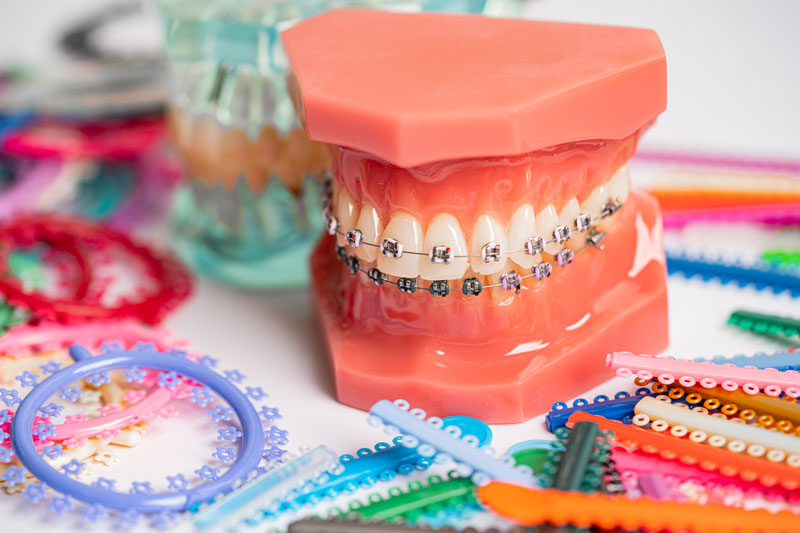
Braces consist of brackets bonded to your teeth and connected by archwires. While these components are crucial for moving your teeth into alignment, they also create additional surfaces where plaque can build up.
If plaque is not removed effectively, it can lead to:
- Cavities
- Gum inflammation (gingivitis)
- White spot lesions (permanent enamel discoloration)
- Bad breath
- Prolonged orthodontic treatment
Orthodontic treatment is an investment in your smile. Maintaining excellent oral hygiene ensures that when your braces come off, you reveal straight, healthy teeth — not damaged enamel.
Brushing with Braces: A Step-by-Step Guide
Brushing with braces requires extra attention and technique. A quick brush is no longer enough.
1. Brush After Every Meal
Food easily gets trapped around brackets and wires. Ideally, you should brush after every meal and snack. If brushing isn’t possible, rinse your mouth thoroughly with water until you can brush properly.
2. Use the Right Toothbrush
You can use:
- A soft-bristled manual toothbrush
- An orthodontic toothbrush (designed with a V-shaped bristle pattern)
- An electric toothbrush (often more effective at plaque removal)
Electric toothbrushes can be particularly helpful because they provide consistent motion and improve cleaning around brackets.
3. Master the Technique
When brushing:
- Hold the toothbrush at a 45-degree angle toward the gumline.
- Brush above the brackets.
- Brush below the brackets.
- Brush directly over the brackets.
- Clean chewing surfaces and the backs of teeth.
Spend at least two minutes brushing thoroughly.
Flossing with Braces: Yes, It’s Necessary
Flossing with braces can feel complicated at first, but it’s critical for preventing gum disease and cavities between teeth.
Tools That Make Flossing Easier:
- Floss threaders
- Orthodontic floss
- Water flossers
- Interdental brushes
Water flossers are particularly popular because they use a stream of water to remove debris between teeth and around brackets. While they are not a complete replacement for traditional flossing, they are an excellent addition to your routine.
Floss at least once per day, preferably before bedtime.
Mouthwash: An Added Layer of Protection
An antimicrobial or fluoride mouthwash can provide additional protection during orthodontic treatment.
Fluoride mouthwash strengthens enamel and helps prevent white spots, which are common in patients with braces. An antimicrobial rinse can reduce bacteria and improve gum health.
Always consult your dentist or orthodontist before choosing a specific product.
Foods to Avoid While Wearing Braces
Diet plays a significant role in protecting your braces and your teeth.
Avoid:
- Sticky foods (caramel, chewing gum, toffee)
- Hard foods (nuts, hard candies, popcorn kernels)
- Crunchy raw vegetables (unless cut into small pieces)
- Ice
- Sugary drinks
Sticky and hard foods can damage brackets and wires, leading to emergency visits and delayed treatment. Sugary foods increase the risk of cavities, especially since braces make cleaning more challenging.
Safer Choices:
- Soft fruits
- Cooked vegetables
- Pasta and rice
- Yogurt
- Lean proteins
- Soft breads
Making mindful food choices protects both your braces and your oral health.
Managing Discomfort and Irritation
It’s normal to experience some discomfort after getting braces or after adjustments. Your teeth are moving, and mild soreness is part of the process.
To Manage Discomfort:
- Eat soft foods for a few days after adjustments
- Use orthodontic wax to cover brackets causing irritation
- Rinse with warm salt water to soothe sore gums
- Take over-the-counter pain relief if recommended by your dentist
If pain is severe or persistent, contact your orthodontist.
Protect Your Smile: The Power of Preventive Dental Care
Dealing with Orthodontic Emergencies
Occasionally, brackets may loosen or wires may shift.
If this happens:
- Do not attempt to fix it yourself.
- Use orthodontic wax to cover sharp edges.
- Contact your orthodontist for guidance.
Prompt action helps prevent further damage and keeps your treatment on schedule.
Professional Dental Visits During Orthodontic Treatment
Even with braces, regular dental check-ups and cleanings remain essential.
Your dentist will:
- Remove hardened plaque (tartar)
- Monitor gum health
- Check for cavities
- Apply fluoride treatments if necessary
Orthodontic treatment does not replace general dental care — it works alongside it.
Preventing White Spot Lesions
White spot lesions are chalky, white areas on teeth that appear after braces are removed. They are caused by enamel demineralization due to plaque buildup.
To prevent them:
- Brush thoroughly and consistently
- Use fluoride toothpaste
- Limit sugary snacks and drinks
- Attend regular dental cleanings
Prevention is much easier than treatment.
The Importance of Consistency
Orthodontic care is not complicated — but it requires discipline.
Patients who maintain excellent oral hygiene during treatment typically:
- Finish treatment on time
- Avoid cavities
- Avoid gum problems
- Reveal healthier smiles after braces removal
On the other hand, neglecting oral hygiene can lead to extended treatment time and additional dental procedures.
Motivation: Keeping the End Goal in Mind
Wearing braces is temporary. The results, however, can last a lifetime.
Keeping your end goal in mind — a straight, confident smile — can help you stay motivated to maintain proper hygiene. Take progress photos, celebrate small milestones, and remember that every brushing and flossing session is contributing to your final result.
Caring for your teeth while wearing braces requires extra effort, but it is entirely manageable with the right habits and tools. Brushing thoroughly, flossing daily, avoiding damaging foods, and maintaining regular dental visits are the foundation of successful orthodontic treatment.
Braces are an investment in your oral health and self-confidence. By committing to proper care throughout your treatment, you ensure that when your braces finally come off, your smile is not only straight — but healthy, bright, and strong.