In today’s world, a healthy and bright smile is often associated with confidence, attractiveness, and personal care. Whether in professional settings, social interactions, or everyday life, people naturally notice a smile first. Because of this, teeth whitening has become one of the most popular cosmetic dental treatments worldwide. More and more people are looking for safe and effective ways to remove stains, brighten their teeth, and achieve a fresher, more youthful appearance.
However, despite its popularity, many patients still have questions before starting the treatment. Is teeth whitening safe? How long do the results last? Does it damage enamel? Which method is the best? Understanding the process, benefits, and possible limitations is extremely important before making a decision.
When performed correctly and under professional supervision, teeth whitening can significantly improve the appearance of your smile while maintaining the health of your teeth and gums. The key lies in choosing the right treatment and understanding what results you can realistically expect.
Why Teeth Become Discolored Over Time
Many people believe yellow or stained teeth are caused only by poor oral hygiene, but discoloration can happen even with regular brushing and proper dental care. Teeth naturally change color over time due to aging, lifestyle habits, diet, and other external factors.
One of the most common causes of discoloration is the consumption of coffee, tea, red wine, and dark-colored beverages. These drinks contain pigments that gradually penetrate the enamel and leave stains on the tooth surface. Smoking is another major factor, as nicotine and tobacco can create deep yellow or brown discoloration that becomes difficult to remove with regular brushing.
Aging also plays a role. Over time, enamel naturally becomes thinner, allowing the darker dentin layer underneath to become more visible. Certain medications, trauma to the teeth, excessive fluoride exposure during childhood, and poor oral hygiene habits can also contribute to discoloration.
Understanding the cause of staining is important because different types of discoloration may require different whitening approaches.
Signs You Might Need a Dental Crown (And What to Do Next)
What Is Teeth Whitening?
Teeth whitening is a cosmetic dental procedure designed to lighten the color of natural teeth and remove stains or discoloration. Professional whitening treatments use specially formulated bleaching agents, usually hydrogen peroxide or carbamide peroxide, to break down stains and brighten the enamel.
The goal is not to create an artificial “paper white” appearance but to restore a cleaner, healthier, and more natural brightness to the smile.
Modern whitening treatments are carefully developed to be effective while minimizing sensitivity and protecting tooth enamel. When performed professionally, whitening is considered a safe and predictable cosmetic procedure.
Professional Teeth Whitening vs. Over-the-Counter Products
One of the biggest mistakes people make is assuming that all whitening methods provide the same results. While supermarkets and pharmacies offer countless whitening toothpastes, strips, and home kits, professional dental whitening treatments remain significantly more effective and safer.
Over-the-counter products often contain lower concentrations of whitening agents, meaning the results are usually limited and temporary. Some abrasive whitening toothpastes may even damage enamel if used excessively.
Professional teeth whitening treatments are customized according to the patient’s needs and supervised by dental professionals who ensure both safety and effectiveness. Dentists can also identify underlying dental issues such as cavities, gum disease, or enamel damage before beginning the whitening process.
In-office whitening procedures typically provide faster, more noticeable, and longer-lasting results compared to home treatments.
What to Expect During Your First Orthodontic Consultation
Types of Professional Teeth Whitening Treatments
In-Office Teeth Whitening
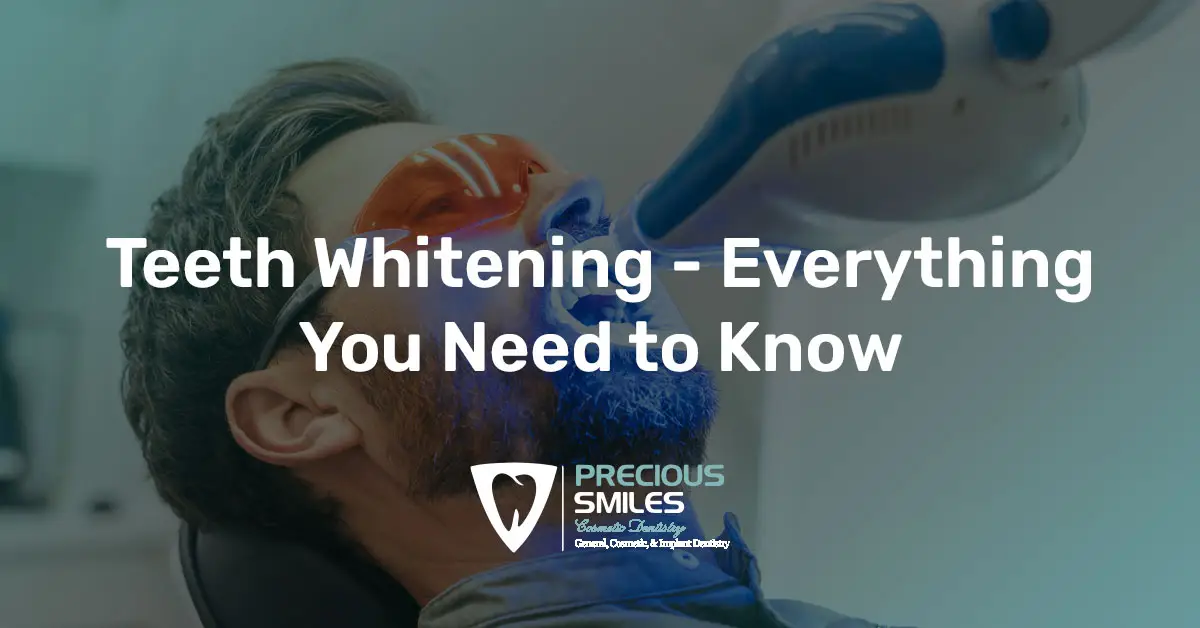
In-office whitening is one of the most effective methods available today. The procedure is performed in a dental clinic using professional-strength whitening gels activated by special lights or lasers.
The treatment usually lasts between 60 and 90 minutes, and many patients notice significant improvements after just one session. One of the biggest advantages is immediate results combined with professional supervision.
This method is ideal for people who want fast improvements before important events such as weddings, business meetings, or special occasions.
Take-Home Whitening Kits from Dentists
Many dental clinics also offer customized take-home whitening systems. These kits include custom-made trays designed specifically for the patient’s teeth along with professional-grade whitening gel.
Unlike store-bought kits, dentist-supervised home whitening provides safer and more even results because the trays fit perfectly and reduce the risk of gum irritation.
Patients usually wear the trays for a certain number of hours daily over one to two weeks, depending on the desired level of whitening.
Internal Whitening for Darkened Teeth
In some cases, a single tooth may become dark after trauma or root canal treatment. Internal whitening techniques can be used to brighten the tooth from the inside and restore a more natural appearance.
This specialized treatment should always be performed by experienced dental professionals.
Is Teeth Whitening Safe?
One of the most common concerns patients have is whether whitening damages the teeth. When performed correctly and under professional supervision, teeth whitening is considered safe for most healthy adults.
Professional whitening products are specifically designed to protect enamel while effectively removing stains. However, problems can occur when people overuse whitening products, use low-quality kits, or apply treatments incorrectly without professional guidance.
Temporary tooth sensitivity is the most common side effect, but it usually disappears within a few days after treatment. Some patients may also experience mild gum irritation if whitening gel comes into contact with soft tissues.
A dental examination before whitening is important because cavities, gum disease, cracked teeth, or exposed roots may increase sensitivity and require treatment first.
How Long Do Teeth Whitening Results Last?
The longevity of whitening results depends on several factors, including oral hygiene habits, diet, smoking, and lifestyle choices.
For many patients, professional whitening results can last from several months to a few years with proper maintenance. Avoiding excessive coffee, tea, red wine, and tobacco use can significantly prolong the brightness of the teeth.
Regular professional cleanings, good oral hygiene, and occasional touch-up treatments also help maintain long-lasting results.
It is important to understand that whitening is not permanent. Teeth naturally continue to age and become exposed to staining substances over time.
Who Is a Good Candidate for Teeth Whitening?
Teeth whitening works best on healthy natural teeth with yellow or surface-level stains. People with good oral health and realistic expectations are generally excellent candidates for the procedure.
However, whitening may not be suitable for everyone. Dental restorations such as crowns, veneers, and fillings do not respond to whitening agents the same way natural teeth do. Patients with severe enamel erosion, untreated cavities, or gum disease may require other treatments before whitening.
Pregnant women and very young patients are usually advised to postpone cosmetic whitening treatments.
A professional consultation helps determine the most appropriate and safest option for each individual patient.
Common Myths About Teeth Whitening
“Whitening Damages Enamel”
This is one of the most widespread myths. Professional whitening treatments do not remove or permanently damage enamel when used correctly.
“Whitening Results Look Fake”
Modern professional whitening aims for natural-looking improvements rather than extremely artificial white shades. Dentists customize the treatment according to the patient’s smile and facial features.
“Whitening Toothpaste Is Enough”
While whitening toothpaste can help remove minor surface stains, it cannot provide the same deep whitening effects as professional treatments.
Tips for Maintaining a White Smile After Treatment
After whitening, teeth may temporarily become more susceptible to staining. Dentists often recommend avoiding dark-colored foods and beverages for at least 48 hours after treatment.
To maintain results longer, patients should:
- Brush and floss regularly
- Visit the dentist for professional cleanings
- Limit smoking and tobacco use
- Reduce consumption of staining drinks
- Use a straw for dark beverages when possible
- Schedule occasional touch-up whitening sessions
Consistent oral care plays a major role in preserving a bright and healthy smile.
The Psychological Benefits of a Brighter Smile
Teeth whitening is not only about appearance. Many people experience increased confidence and improved self-esteem after enhancing their smile. Feeling comfortable smiling openly can positively affect social interactions, professional communication, and overall quality of life.
A bright smile often creates a healthier, more energetic, and youthful appearance, which is one reason cosmetic dentistry continues to grow in popularity worldwide.
A Professional Approach Makes All the Difference
Teeth whitening can deliver impressive and confidence-boosting results when performed safely and professionally. However, achieving a healthy and natural-looking smile requires more than simply purchasing a whitening product online or from a store.
Every patient has unique dental conditions, goals, and expectations. Professional dental guidance ensures that whitening is performed safely, effectively, and in a way that protects long-term oral health.
Choosing a qualified dental professional is the best way to achieve a brighter smile while minimizing risks and maximizing long-lasting results.