Many people schedule a dental appointment only when something starts to hurt. However, dental problems often develop quietly, and by the time pain appears, a relatively small issue may already require more extensive treatment. Regular dental checkups are therefore not simply about treating existing problems – they are an important part of preventive healthcare and one of the easiest ways to protect your teeth and gums in the long term.
Visiting your dentist regularly can help detect tooth decay, gum disease, damaged restorations, bite problems, and other oral health concerns at an early stage. It also gives you an opportunity to discuss changes in your teeth, gums, sensitivity, oral hygiene habits, and any cosmetic or functional concerns before they become more difficult to manage.
How Often Should You Visit the Dentist?
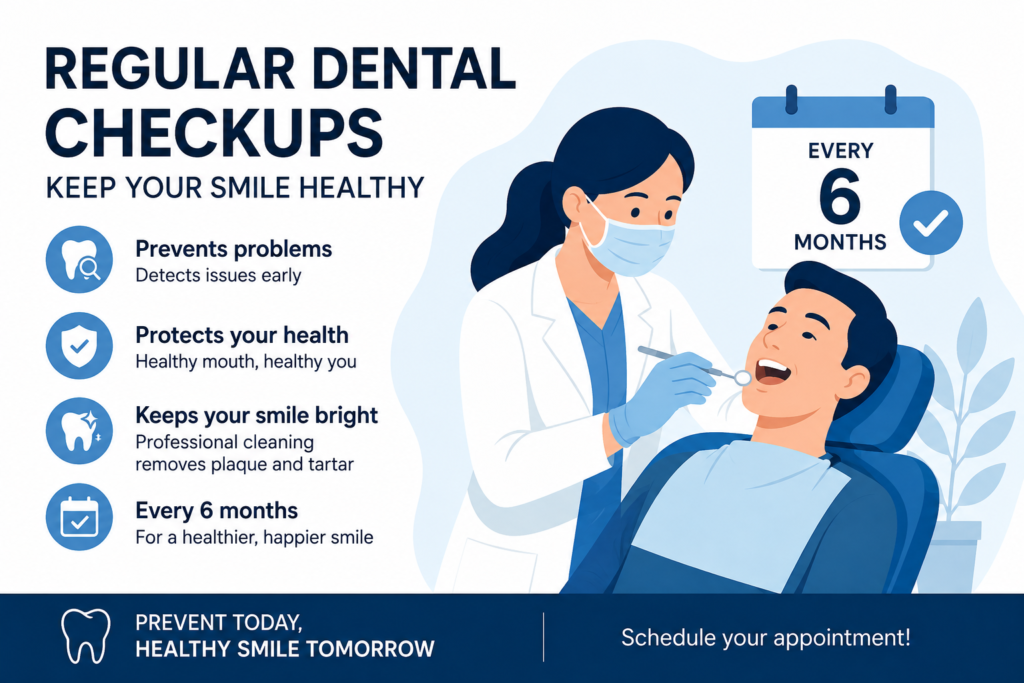
There is no single schedule that is ideal for every patient. Many people benefit from having a dental checkup approximately every six months, but the appropriate interval depends on individual oral health, medical history, age, lifestyle, risk of tooth decay, gum health, and previous dental problems.
Some patients with healthy teeth and gums may require less frequent appointments based on their dentist’s assessment. Others may need to be examined more often, particularly if they have active gum disease, frequent cavities, extensive dental restorations, orthodontic appliances, or other factors that increase their risk of oral health problems.
Rather than viewing the six-month interval as a strict rule, it is better to follow a personalized schedule recommended by your dentist.
Why Are Regular Dental Checkups So Important?
One of the greatest benefits of preventive dentistry is the opportunity to identify problems before they become serious. A small cavity, for example, may initially cause no noticeable symptoms. If it is discovered early, treatment may be relatively straightforward. If left untreated, decay can progress deeper into the tooth and potentially lead to pain, infection, or the need for more extensive treatment.
The same principle applies to gum health. Early gum inflammation can sometimes develop with only mild symptoms such as occasional bleeding when brushing. Without proper care, gum problems may progress and eventually affect the tissues and bone supporting the teeth.
Regular examinations allow your dentist to monitor these changes over time and recommend treatment or preventive measures when necessary.
Dental Problems Do Not Always Cause Pain
A common misconception is that healthy teeth are teeth that do not hurt. Unfortunately, the absence of pain does not necessarily mean that everything is healthy.
Early tooth decay can be painless. Gum disease may progress gradually. Cracks, worn restorations, bite-related problems, and other conditions may also remain unnoticed for some time. This is one of the main reasons why waiting for a toothache before visiting a dentist is not the best approach to oral health.
Preventive appointments give your dentist an opportunity to look for changes that may not yet be visible or noticeable to you.
What Happens During a Routine Dental Checkup?
A regular dental examination usually involves evaluating your teeth, gums, existing fillings, crowns, bridges, implants, or other dental work where applicable. Your dentist may also assess your bite and look for signs of excessive tooth wear, sensitivity, inflammation, or other abnormalities.
Depending on your individual needs, dental X-rays may sometimes be recommended to provide additional information about areas that cannot be fully evaluated during a visual examination.
The appointment is also an excellent opportunity to discuss your daily oral hygiene routine. Small improvements in brushing technique, interdental cleaning, or other habits can make a meaningful difference to long-term dental health.
The Importance of Professional Dental Cleaning
Even people who brush and floss carefully can develop plaque and tartar in areas that are difficult to clean at home. Once plaque hardens into tartar, regular brushing cannot remove it effectively.
Professional cleaning may therefore be recommended as part of preventive dental care. It helps remove accumulated deposits from the teeth and areas around the gumline while giving the dental team an opportunity to assess the condition of the gums.
The recommended frequency of professional cleaning varies from patient to patient. Individuals with a history of periodontal disease or significant tartar buildup may require a different schedule than patients with consistently healthy gums.
Regular Checkups Help Protect Your Gums
Healthy gums are essential for maintaining healthy teeth. Bleeding, swelling, persistent bad breath, gum recession, or changes around the teeth should not simply be ignored.
Regular dental appointments make it easier to monitor gum health and identify signs of periodontal problems. When gum disease is detected earlier, appropriate treatment and improved oral hygiene may help prevent further progression.
This becomes particularly important because advanced periodontal disease can damage the structures that support the teeth and, in severe cases, contribute to tooth loss.
Prevention Can Make Dental Treatment Simpler
Another major advantage of regular dental visits is that early intervention can often be simpler than treating an advanced problem.
A minor area of decay may require relatively limited treatment, whereas significant decay can compromise much more of the tooth. Similarly, identifying an aging or damaged restoration before it fails completely may provide more treatment options.
Preventive dentistry is therefore not just about avoiding discomfort. It is also about preserving as much healthy natural tooth structure as possible.
Who May Need More Frequent Dental Visits?
Some people benefit from closer dental monitoring. The exact frequency should always be determined individually, but more frequent appointments may be recommended for patients with recurring cavities, active or previous periodontal disease, orthodontic treatment, extensive dental restorations, certain medical conditions affecting oral health, or habits and lifestyle factors associated with a higher risk of dental problems.
Children and teenagers also require regular dental monitoring as their teeth and jaws develop, while older adults may have additional concerns related to gum health, tooth wear, missing teeth, restorations, dry mouth, or medications.
Pregnancy can also bring changes to gum health, making appropriate dental care and communication with healthcare professionals particularly important.
What Should You Do Between Dental Checkups?
Regular dental visits are only one part of maintaining a healthy smile. Daily oral hygiene remains essential.
Brush your teeth thoroughly with fluoride toothpaste, clean between the teeth using floss or another interdental cleaning method recommended for you, and pay attention to changes such as persistent bleeding, swelling, sensitivity, tooth mobility, unusual sores, or pain.
Diet also matters. Frequent exposure to sugary foods and drinks can increase the risk of tooth decay, while smoking and tobacco use can negatively affect oral and periodontal health.
Most importantly, do not postpone an appointment simply because your next routine checkup is still months away if you notice a new or concerning symptom.
When Should You See a Dentist Before Your Regular Checkup?
You should not necessarily wait for your scheduled examination if you develop persistent toothache, facial or gum swelling, a broken tooth, significant sensitivity, unexplained bleeding, a loose permanent tooth, problems chewing, or another noticeable change in your mouth.
Dental trauma and signs of infection may also require prompt professional assessment.
Routine appointments are designed for prevention and monitoring, but new symptoms should be evaluated according to their severity rather than according to the date of your next scheduled visit.
Is Visiting the Dentist Every Six Months Necessary?
For many patients, a six-month schedule is a practical preventive routine, but it should not be treated as a universal requirement.
A patient with excellent oral health and a low risk of dental disease may have different needs from someone with recurrent cavities or periodontal problems. Your dentist can assess your individual risk factors and recommend an examination and cleaning schedule that makes sense for you.
The important point is consistency. Whether your recommended interval is shorter or longer, regular preventive care is generally preferable to visiting the dentist only when something hurts.
Regular Dental Care Is an Investment in Your Smile
Healthy teeth and gums require more than reacting to problems after they appear. Regular dental checkups provide an opportunity to monitor your oral health, identify potential concerns early, receive professional preventive care, and make informed decisions about treatment when necessary.
A few preventive appointments throughout the year can also help you become more aware of your oral health and maintain good habits between visits.
If it has been a while since your last dental examination, consider scheduling a checkup rather than waiting for discomfort to appear. Preventive dental care today can help protect the health, function, and appearance of your smile for years to come.